
Loading...
Loading...
Rayyan • 12 Aug 2026
A well-designed sticker can do more than simply display a logo or product information. It can strengthen your brand identity, improve packaging, and give your products a more professional and memorable look. From sealing food packaging to labeling products and promoting your business, custom stickers offer a simple way to make every surface part of your branding.
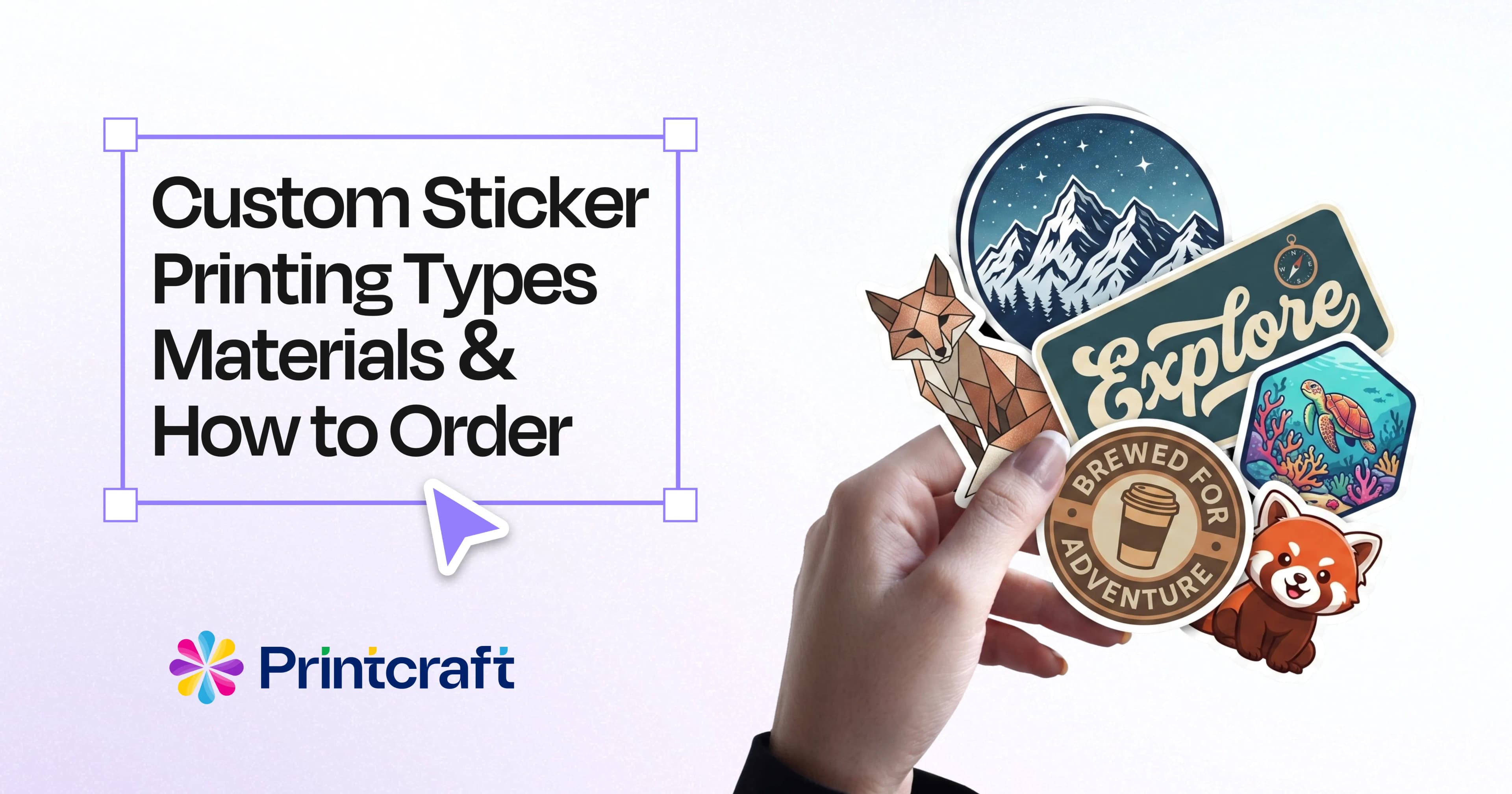
Custom stickers are one of the most versatile and cost-effective branding tools available to businesses in Dubai. Whether you run a restaurant, an e-commerce brand, a cosmetics line, or a corporate office, there is almost certainly a sticker application that can add value to your packaging, products, or promotional activity.
The challenge is not finding a sticker printer in Dubai. There are plenty. The challenge is knowing which sticker type, material, finish, and print method actually suits your specific application, so you do not end up with a product that peels off in a week, bleeds colour in humidity, or simply does not look the way you expected.
This guide explains everything you need to know before placing a sticker printing order in Dubai, from materials and finishes to artwork preparation and what to look for in a printing partner.
Sticker printing is the process of applying graphics, text, logos, or designs onto an adhesive-backed material that can be applied to a surface. The printed face can be paper, vinyl, polypropylene (PP), or a range of specialist materials depending on the intended application. The adhesive backing can be permanent, removable, or repositionable depending on your requirement.
Stickers serve a wide range of commercial purposes including product labelling, packaging seals, promotional giveaways, branding, event materials, and operational signage. They are produced in formats ranging from individual die-cut pieces to rolls containing thousands of identical labels.
Dubai's retail, food and beverage, e-commerce, and events sectors all rely heavily on custom stickers and labels. Several factors make sticker printing particularly relevant in this market.
In a market where presentation is closely tied to perceived value, the quality of your sticker or label communicates something about your brand before the customer has engaged with the product itself.
Understanding the different formats helps you choose what fits your application rather than defaulting to whatever your printer offers as standard.
Die-cut stickers are cut to the exact outline of your design, so the shape of the sticker matches the shape of the artwork rather than coming in a standard rectangle or circle. They are the most visually polished option for logo stickers, product branding, and promotional materials where the shape itself is part of the brand identity.
Kiss-cut stickers are cut through the face material and adhesive but leave the backing sheet intact. This makes them easy to peel and apply, and means multiple sticker designs can coexist on a single sheet. They are popular for sticker packs, promotional giveaways, and applications where ease of handling matters.
Roll format is the standard choice for high-volume product labelling. Rolls can contain hundreds or thousands of identical labels and are compatible with manual label applicators and automated production lines. If you are labelling bottles, jars, cans, or packaging at volume, roll format is almost always the most practical and cost-efficient option.
Multiple stickers printed on a single flat sheet. Well suited to lower quantities, promotional packs, and applications where a variety of different sticker designs are needed together. Sheet stickers are commonly used at events and in retail packaging inserts.
Printed on clear material so only the design is visible on the surface. Particularly effective on glass jars, bottles, and packaging where a "printed directly on the product" effect is desired. Very popular in the cosmetics, candle, and artisan food sectors in Dubai.
Produced on materials that resist moisture, whether from condensation, humidity, or direct water contact. Relevant for any product that will be stored in a refrigerator, exposed to kitchen conditions, used in bathrooms, or handled with wet hands. Whether a sticker is genuinely waterproof depends on the specific material and adhesive used, so always confirm this with your printer rather than assuming.
Vinyl is a durable synthetic material suitable for outdoor use, vehicle graphics, wall branding, and any application requiring resistance to UV exposure, weather, and physical handling. Vinyl stickers have a longer outdoor lifespan than paper-based alternatives, though actual durability depends on the grade of vinyl and laminate used.
The most economical option, suitable for indoor applications, packaging inserts, promotional giveaways, and short-term labelling. Paper stickers are not appropriate for applications involving moisture or outdoor exposure unless laminated.
PP is a semi-rigid plastic material that offers better moisture resistance than paper without the cost of vinyl. It is widely used for product labels in the food, beverage, and personal care sectors. PP labels are available in white, transparent, and silver finishes.
The table below summarises the key characteristics of the most common sticker materials used in Dubai.
Paper: Low cost, good print quality, suitable for indoor and dry environments. Not moisture-resistant without lamination. Best for promotional stickers, packaging inserts, and short-term labels.
PP (Polypropylene): Good moisture resistance, clean print quality, available in white and clear. Best for food jars, beverage bottles, cosmetics, and personal care products.
Vinyl: High durability, weather and UV resistant, flexible, available in a wide range of finishes. Best for outdoor signage, vehicle graphics, wall branding, and long-term product applications.
Transparent PVC: Clear material that creates a no-label look on glass and smooth surfaces. Best for cosmetics, candles, artisan food products, and premium packaging.
Digital printing is the most widely used method for custom sticker printing in Dubai. It produces sharp, full-colour output with no plate or setup costs, making it cost-effective for short to medium runs. Digital printing is suitable for most sticker materials and allows each sticker in a run to be different if needed, which is useful for variable data applications like sequential numbering or personalised labels.
Offset printing produces highly consistent colour across very large quantities. It involves upfront plate costs, making it less economical for short runs but progressively more cost-effective as volume increases. Offset is used for high-volume roll label production where colour consistency across tens of thousands of units is critical.
UV printing uses ultraviolet light to cure ink instantly on the surface. It produces vivid, scratch-resistant prints and can be applied directly to a wide range of materials. UV printing is often used for premium labels and stickers where surface quality and durability are important.
Flexographic printing is a high-speed, high-volume method used primarily for roll label production in commercial packaging environments. It is the method of choice for FMCG brands printing hundreds of thousands of labels at a time.
The finish applied to a sticker affects its appearance, feel, and durability. Choosing the wrong finish can undermine an otherwise strong design.
Adds a shiny, reflective surface that makes colours appear more vivid. Provides some protection against scratching and moisture. A common choice for product labels where visual impact and colour vibrancy are the priority.
Produces a flat, non-reflective surface that gives labels a premium, understated look. Reduces fingerprint visibility and glare. Popular for cosmetics, artisan food brands, and any product where a sophisticated, high-end finish is desired.
A gloss coating applied selectively over a matte surface, used to highlight specific design elements such as a logo or product name. Creates a tactile contrast that makes labels feel premium and distinctive.
Metallic gold, silver, or coloured foil applied to selected areas of the label. Used for premium and luxury product positioning. Adds a visual richness that cannot be replicated by ink alone.
No-label effect on clear materials. The design appears to float directly on the surface of the product, which works particularly well on glass and clear plastic containers.
The right choice depends on a combination of factors. Work through these before contacting a printer.
Indoor applications can use paper or PP materials. Outdoor applications exposed to sunlight, rain, or temperature fluctuation require vinyl or a material with appropriate UV and weather resistance.
Products stored in refrigerators, used in bathrooms, or handled with wet hands need a waterproof material and adhesive. PP and vinyl both offer better moisture resistance than paper, but confirm the specific material's suitability with your printer for your application.
Smooth surfaces such as glass and polished plastic accept most adhesive types. Textured, rough, or low-energy surfaces such as kraft paper, HDPE bottles, or recycled card may require a specialist adhesive to achieve adequate bond strength.
Short runs of a few hundred stickers suit digital printing on sheets or small rolls. High volumes of thousands or tens of thousands suit roll format with digital or offset printing depending on the quantity and colour requirements.
Gloss suits vibrant, bold consumer brands. Matte suits premium, artisan, or luxury positioning. Foil and spot UV add a tactile quality that signals high-end without requiring a premium price point across the entire label.
Sticker printing costs vary based on several factors. Understanding them helps you get an accurate quote and make sensible decisions about where to invest.
Artwork issues are the most common cause of production delays and unexpected results. Getting these details right before you submit will save you time and money.
All images must be at least 300 DPI at the final print size. Images pulled from websites or screenshots are typically 72 DPI and will print blurry regardless of how sharp they appear on screen.
Design in CMYK, not RGB. Screens display in RGB, which can produce colours that are not achievable in print. Converting at the design stage avoids unexpected colour shifts when the file goes to press.
Extend all background colours and edge artwork at least 2 to 3 mm beyond the trim line. Without bleed, cutting tolerances can leave a thin white border on one or more edges of the sticker.
Keep all important text, logos, and design elements at least 2 to 3 mm inside the trim line. This prevents critical information from being cut off during production.
For die-cut shapes, provide a clearly defined cut line on a separate layer in your artwork file. This tells the printer exactly where the cutting is to follow. Use a vector path rather than a rasterised outline.
PDF is the most reliable format for print-ready sticker artwork. AI and EPS files are also widely accepted. Avoid submitting Word documents, PNG files at low resolution, or Canva exports without checking bleed and CMYK settings first.
Restaurants, cloud kitchens, cafes, and artisan food brands use stickers to label jars, bottles, boxes, and bags. PP transparent labels are popular for a clean, premium look on glass and clear containers. Waterproof materials are essential for any product stored in refrigeration or exposed to condensation.
Stickers are widely used to seal mailer boxes, brand tissue paper, add QR codes to packaging, and apply product information labels. They give small e-commerce brands a professional, branded finish without the cost of fully custom printed boxes.
Product labels in this category need to look premium, adhere to curved surfaces, and in many cases withstand bathroom humidity and handling. PP and transparent PVC materials with matte or gloss lamination are the standard choice.
Stickers are used for name badges, promotional giveaways, branding on event materials, QR code labels, and thank-you packaging seals. Short-run digital printing is usually the most practical option for event stickers given the tight timelines involved.
Companies use stickers to brand stationery, internal documents, asset labels, equipment tags, and promotional merchandise. Consistent, well-printed stickers reinforce brand identity across everyday touchpoints that clients and employees encounter regularly.
There are many sticker printing companies operating in Dubai. These are the criteria that actually matter when deciding who to work with.
At Printcraft, we print custom stickers and labels across the full range of materials, finishes, and formats. Every order includes artwork checking before production, and we deliver across Dubai and the UAE.
Browse Sticker and Label Printing Options | Get an Instant Quote
Custom sticker printing in Dubai covers a wide spectrum, from simple paper promotional stickers to precision die-cut vinyl labels for premium product lines. The key to getting it right is matching the material, finish, and format to your specific application rather than defaulting to the cheapest or most generic option available.
Define your application, prepare your artwork correctly, and work with a printer who will check your file and advise on the most suitable specification before production begins. The difference between a sticker that enhances your brand and one that undermines it is almost always a decision made before the job goes to press.
View Our Sticker and Label Range | Get an Instant Quote
Cost depends on quantity, size, material, shape, finish, and format. A run of 500 standard A4 sheet stickers on paper stock will cost significantly less per unit than 500 custom die-cut vinyl stickers with matte lamination. The best approach is to define your specification fully and request a quote based on those exact requirements rather than comparing generic prices.
PP (polypropylene) and vinyl are both suitable for applications requiring moisture resistance. For products stored in refrigeration or exposed to condensation, PP transparent or white stock is a practical and cost-effective choice. For outdoor applications exposed to prolonged weathering, vinyl with an appropriate laminate is the more durable option. Always confirm the specific material and adhesive suitability with your printer for your application.
Paper stickers are economical and produce good print quality but are not moisture-resistant without lamination and are not suited to outdoor use. Vinyl stickers are more durable, weather-resistant, and flexible, making them suitable for outdoor applications, vehicle graphics, and any use involving prolonged exposure to the elements. Vinyl costs more than paper but has a significantly longer practical lifespan in demanding applications.
Yes. Die-cut stickers can be cut to virtually any shape that can be defined by a vector cut line in your artwork file. Complex shapes with intricate detail cut very close to the design edge are possible but should be discussed with your printer before finalising the artwork, as very fine internal cuts can affect structural integrity.
Die-cut stickers are cut all the way through both the face material and the backing, resulting in a sticker that matches the exact outline of the design. Kiss-cut stickers are cut through the face material and adhesive only, leaving the backing sheet intact. Kiss-cut stickers are easier to handle and peel, and multiple designs can coexist on a single backing sheet.
Yes, though minimum order quantities vary between printers. Digital printing allows short runs with no plate costs, making it cost-effective for quantities as low as 50 to 100 stickers depending on the specification. Confirm the minimum quantity with your printer before proceeding, particularly if you are testing a design before committing to a larger run.
Yes. Roll format is the standard for high-volume product labelling and is compatible with both manual label applicators and automated production equipment. Roll labels are more efficient to handle at volume than sheet stickers and typically offer a lower cost per unit at higher quantities.
PDF is the most reliable and widely accepted format for print-ready sticker artwork. AI and EPS files are also commonly accepted. Ensure your file is set to CMYK colour mode, includes the correct bleed, and contains a clearly defined cut line on a separate layer for die-cut shapes. If in doubt, ask your printer to check your file before approving production.
Standard turnaround for most custom sticker orders in Dubai is 2 to 4 business days from artwork approval, depending on the specification and quantity. Express and same-day options are available from some printers for standard specifications when artwork is submitted before the daily cut-off time. Build at least 5 working days into your timeline for orders with complex die-cut shapes or specialist finishes.
For most product packaging applications, PP or transparent PVC labels offer the best balance of print quality, moisture resistance, and professional appearance. PP white is the standard choice for food, beverage, and personal care labels. Transparent PVC creates a no-label look on glass and clear plastic, which is popular for cosmetics, candles, and artisan products. Matte lamination on either material adds a premium finish that suits higher-end product positioning.